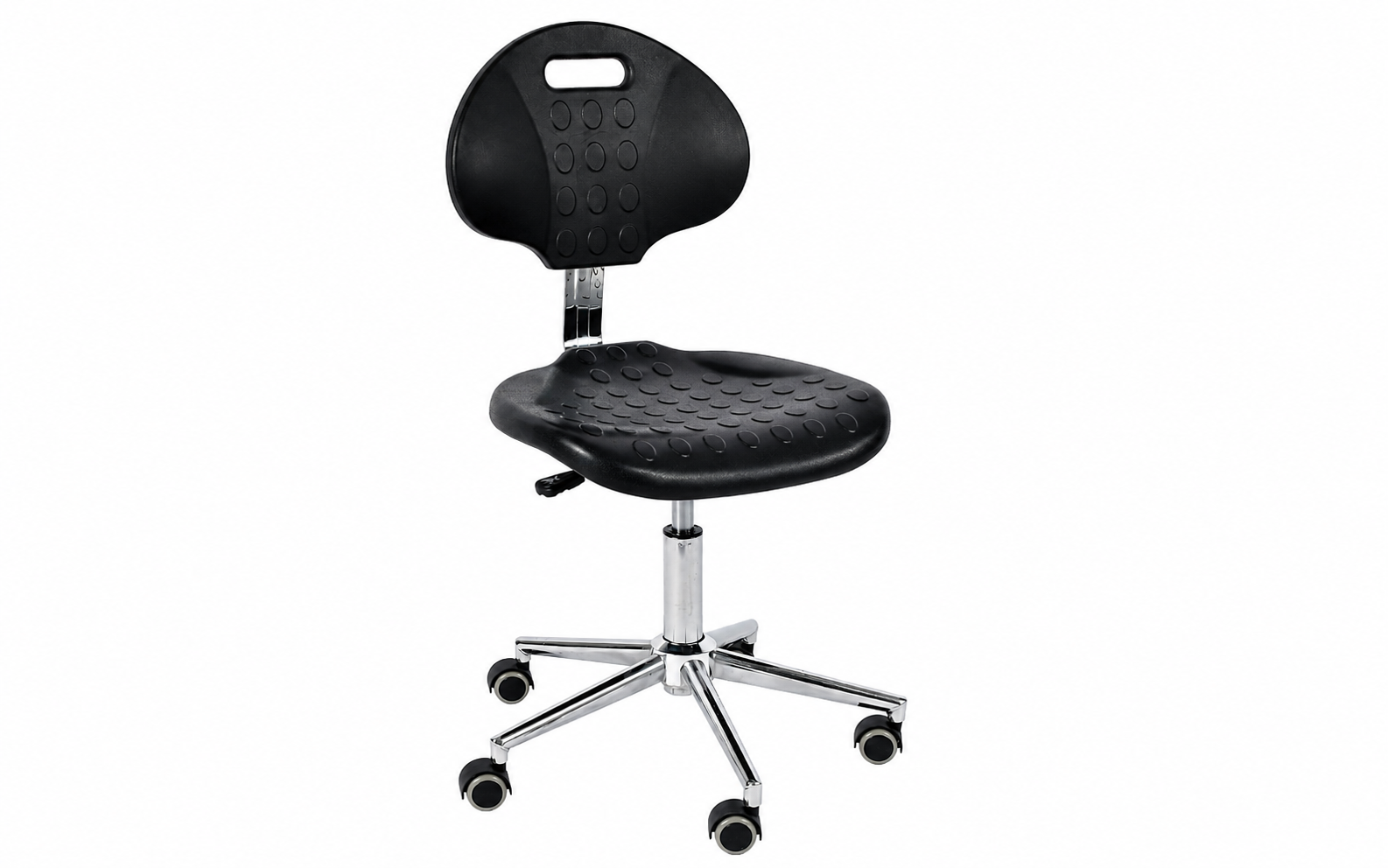
Across Mexico, laboratory operators are facing increasing pressure to manage procurement activities more efficiently while maintaining high standards for quality, compliance, and operational performance. Research institutions, healthcare organizations, pharmaceutical manufacturers, testing facilities, and universities often operate multiple laboratories across different locations, creating procurement complexity that can lead to inconsistent purchasing decisions, fragmented supplier relationships, and unnecessary administrative costs. Centralized purchasing offers a strategic solution by consolidating procurement responsibilities under a unified structure that improves visibility, standardization, and control. Rather than allowing individual departments to independently source seating products, centralized procurement teams can establish organization-wide purchasing standards and negotiate stronger agreements with preferred suppliers. This approach becomes particularly valuable when selecting durable products such as the industrial polyurethane with chrome foot ring and casters adjustable laboratory chair, which can serve as a standardized solution across multiple laboratory environments. By adopting common product specifications, organizations reduce variation, simplify maintenance planning, and improve purchasing consistency. Centralized purchasing also creates opportunities to leverage larger order volumes, enabling buyers to secure more favorable pricing, enhanced warranty terms, and priority production schedules. For Mexican distributors targeting B2B customers, supporting centralized procurement initiatives allows them to position themselves as long-term partners capable of delivering reliable supply, technical expertise, and strategic procurement support. Furthermore, centralized systems provide management teams with better oversight of spending patterns, allowing them to identify inefficiencies and allocate resources more effectively. As laboratories continue expanding throughout Mexico, procurement efficiency is becoming a competitive advantage that directly influences operational performance and financial sustainability.
Supplier management is another area where centralized purchasing delivers substantial benefits. Many organizations struggle with maintaining relationships with numerous vendors, each offering different pricing structures, delivery schedules, service levels, and product specifications. This fragmentation can increase procurement risk and make it difficult to achieve consistent operational outcomes. Through centralized purchasing, companies can streamline supplier portfolios and focus on building stronger partnerships with carefully selected providers. The industrial polyurethane with chrome foot ring and casters adjustable laboratory chair frequently becomes part of these strategic sourcing programs because its combination of ergonomic performance, durability, and maintenance efficiency aligns well with the long-term goals of laboratory operators. Centralized procurement teams can evaluate suppliers using standardized performance metrics such as delivery accuracy, product reliability, customer service responsiveness, and lifecycle value. This data-driven approach supports better decision-making while encouraging suppliers to maintain high standards. Additionally, centralized purchasing enables more accurate demand forecasting by aggregating procurement data from multiple facilities. Organizations can identify usage trends, anticipate replacement requirements, and optimize inventory levels to avoid shortages or excessive stock accumulation. For Mexican laboratories operating in highly regulated sectors, centralized supplier management also improves compliance by ensuring that products meet consistent quality and safety standards. Distributors that actively collaborate with procurement teams by offering forecasting assistance, inventory support, and technical consultation can strengthen customer loyalty and increase long-term sales opportunities. In a competitive B2B marketplace, these collaborative relationships create mutual value while supporting sustainable growth for both suppliers and buyers.
Technology plays a critical role in maximizing the effectiveness of centralized purchasing programs. Modern procurement organizations increasingly rely on enterprise resource planning systems, digital procurement platforms, supplier management tools, and analytics solutions to streamline operations and improve decision-making. These technologies provide real-time visibility into purchasing activity, inventory levels, supplier performance, and budget utilization. The industrial polyurethane with chrome foot ring and casters adjustable laboratory chair is often incorporated into centralized digital procurement catalogs because its broad applicability allows organizations to standardize purchases across multiple facilities while simplifying approval workflows. Automated purchasing systems reduce manual processing requirements, accelerate procurement cycles, and minimize administrative errors. Data analytics tools help organizations identify cost-saving opportunities, evaluate procurement performance, and develop more effective sourcing strategies. In addition, centralized purchasing encourages stronger collaboration among procurement teams, laboratory managers, financial departments, and operational leaders. This cross-functional approach ensures that purchasing decisions support broader organizational objectives while addressing the practical needs of laboratory personnel. Mexican distributors can further enhance their value proposition by integrating digital support services such as online ordering platforms, inventory reporting tools, maintenance planning resources, and customer analytics dashboards. These capabilities strengthen B2B relationships while improving customer satisfaction. As digital transformation continues across Mexico’s laboratory sector, organizations that combine centralized purchasing with advanced technology, supplier collaboration, and standardized product strategies will achieve significant advantages in procurement efficiency, cost control, and operational reliability. Ultimately, centralized purchasing is more than a procurement model; it is a strategic framework that enables laboratories to improve performance, reduce complexity, and create long-term value in an increasingly competitive and technology-driven marketplace.
READ MORE
Why Are More Companies in Mexico Upgrading Their Laboratory Chair Procurement Standards?
How Can Companies in Mexico Improve Laboratory Chair Procurement Efficiency Through Centralized Purchasing?