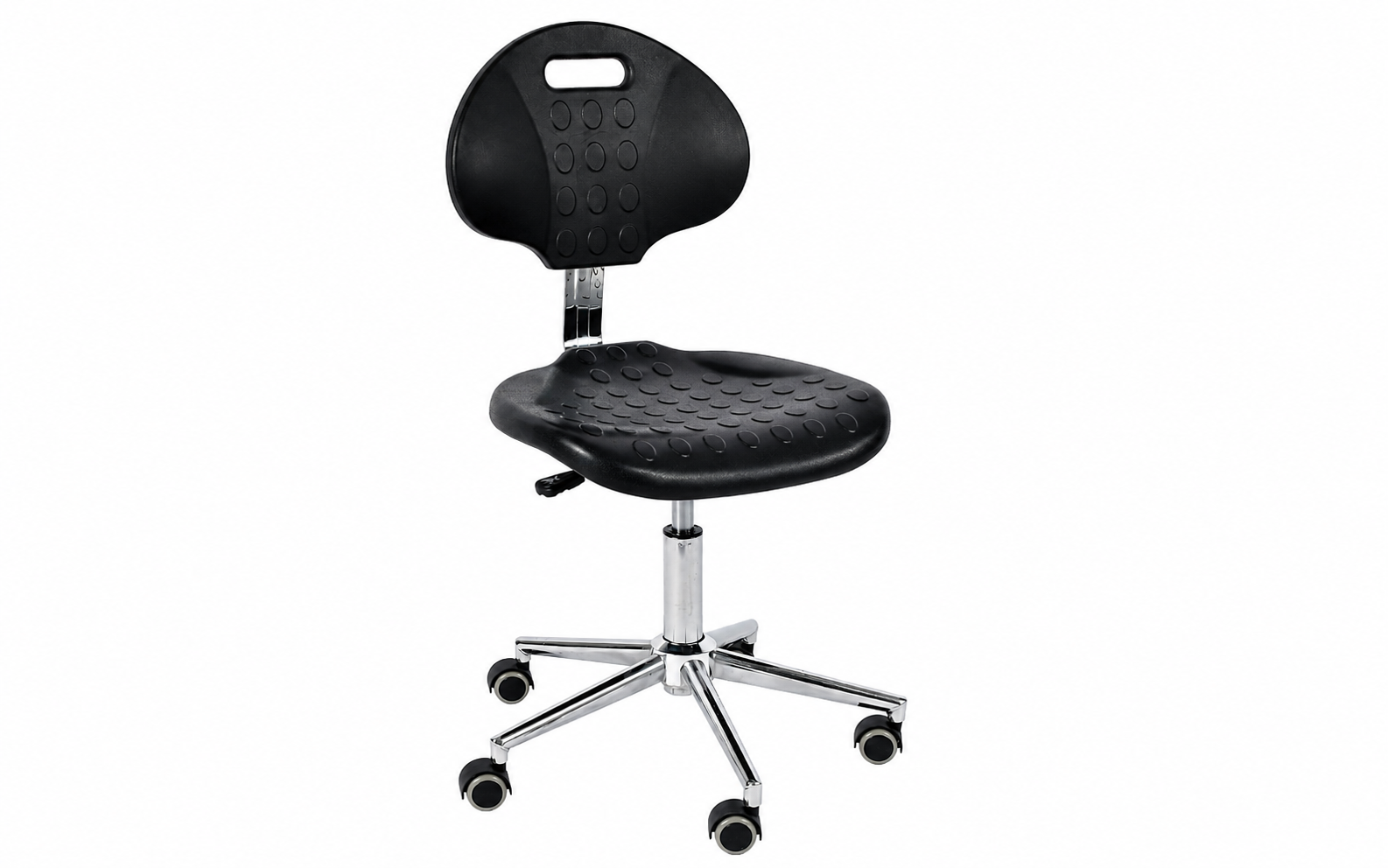
Across Mexico, laboratories are undergoing significant transformation as organizations invest in modernization initiatives designed to improve efficiency, employee performance, and operational resilience. While much attention is often focused on advanced instruments and digital laboratory technologies, laboratory furniture is becoming an increasingly important part of strategic procurement planning. In particular, laboratory chair procurement standards are evolving rapidly as companies recognize that seating solutions directly influence productivity, employee well-being, workplace safety, and long-term operating costs. Historically, many organizations treated laboratory chairs as basic commodities, making purchasing decisions based primarily on acquisition price. However, this perspective is changing as procurement leaders adopt a more comprehensive approach focused on lifecycle value. Modern laboratories require seating solutions capable of supporting extended periods of use while maintaining ergonomic performance and durability. Products such as the industrial polyurethane with chrome foot ring and casters adjustable laboratory chair have become increasingly popular because they provide a balance of comfort, mobility, resilience, and maintenance efficiency. As organizations expand research operations, healthcare services, quality control laboratories, and industrial testing facilities, they are also becoming more aware of the financial impact of poor purchasing decisions. Frequent replacements, employee discomfort, maintenance expenses, and inconsistent product quality can create hidden costs that significantly exceed initial savings. By upgrading procurement standards, companies establish clearer performance criteria related to ergonomics, adjustability, hygiene, durability, and operational compatibility. These standards help ensure that purchased products contribute positively to laboratory performance while reducing long-term risk. For B2B suppliers and distributors serving the Mexican market, this trend creates opportunities to deliver greater value through technical expertise, product education, and consultative sales strategies that align with evolving customer expectations.
Another major factor driving higher procurement standards is the increasing complexity of laboratory operations and workforce management. Laboratories today employ highly skilled professionals who spend extended periods performing detailed analytical tasks that require concentration, precision, and physical comfort. Organizations are recognizing that employee productivity is closely connected to workplace design, including seating quality. The industrial polyurethane with chrome foot ring and casters adjustable laboratory chair is frequently selected within modern procurement programs because it addresses multiple operational requirements simultaneously, including mobility, ergonomic support, ease of cleaning, and long-term durability. Beyond individual employee comfort, organizations are also evaluating laboratory furniture from a broader operational perspective. Standardized procurement policies make it easier to manage inventories, streamline maintenance activities, and simplify replacement planning across multiple facilities. Many laboratories are implementing centralized purchasing systems that require products to meet predefined technical and performance standards before approval. This approach reduces variability and creates greater consistency throughout the organization. Furthermore, regulatory expectations and workplace safety initiatives are encouraging laboratories to adopt more rigorous evaluation processes when selecting furniture and equipment. Procurement teams increasingly collaborate with laboratory managers, facility planners, human resources professionals, and health and safety specialists to ensure that purchasing decisions support organizational objectives. Mexican distributors that understand these evolving priorities can strengthen customer relationships by offering value-added services such as ergonomic assessments, product demonstrations, maintenance planning, and lifecycle cost analysis. These services help customers justify investments in higher-quality solutions while supporting more informed decision-making. As workforce expectations continue to evolve, procurement standards are likely to become even more sophisticated, creating additional opportunities for suppliers capable of delivering comprehensive B2B solutions.
Technology, data analytics, and strategic supplier partnerships are also contributing to the shift toward higher procurement standards. Modern procurement departments increasingly rely on digital purchasing platforms, enterprise resource planning systems, supplier scorecards, and analytics tools to evaluate purchasing performance and identify opportunities for improvement. These technologies provide greater visibility into spending patterns, supplier reliability, maintenance costs, and product utilization. The industrial polyurethane with chrome foot ring and casters adjustable laboratory chair often emerges as a preferred option within data-driven procurement environments because its durability and versatility support favorable lifecycle economics. Organizations are moving beyond simple price comparisons and using measurable performance indicators to assess total ownership value. This includes evaluating replacement frequency, maintenance requirements, employee satisfaction, and operational impact. Supplier relationships are evolving as well. Rather than maintaining purely transactional arrangements, many Mexican laboratories are seeking long-term partnerships with distributors and manufacturers that can provide consistent quality, technical support, inventory planning assistance, and reliable delivery performance. Strategic suppliers become valuable contributors to procurement success by helping organizations anticipate future requirements, optimize purchasing strategies, and reduce supply chain risks. For distributors, this creates opportunities to differentiate through expertise and service rather than competing solely on price. Companies that successfully upgrade procurement standards often experience improvements in operational efficiency, budget predictability, workforce satisfaction, and asset performance. As laboratory infrastructure investment continues throughout Mexico, procurement excellence is becoming a critical competitive advantage. Organizations that prioritize quality, standardization, supplier collaboration, and lifecycle value will be better positioned to support growth while maintaining high standards of performance. Consequently, the movement toward more advanced laboratory chair procurement standards represents not only a purchasing trend but also a reflection of broader efforts to build more efficient, resilient, and future-ready laboratory environments across Mexico.
READ MORE
Why Are More Companies in Mexico Upgrading Their Laboratory Chair Procurement Standards?