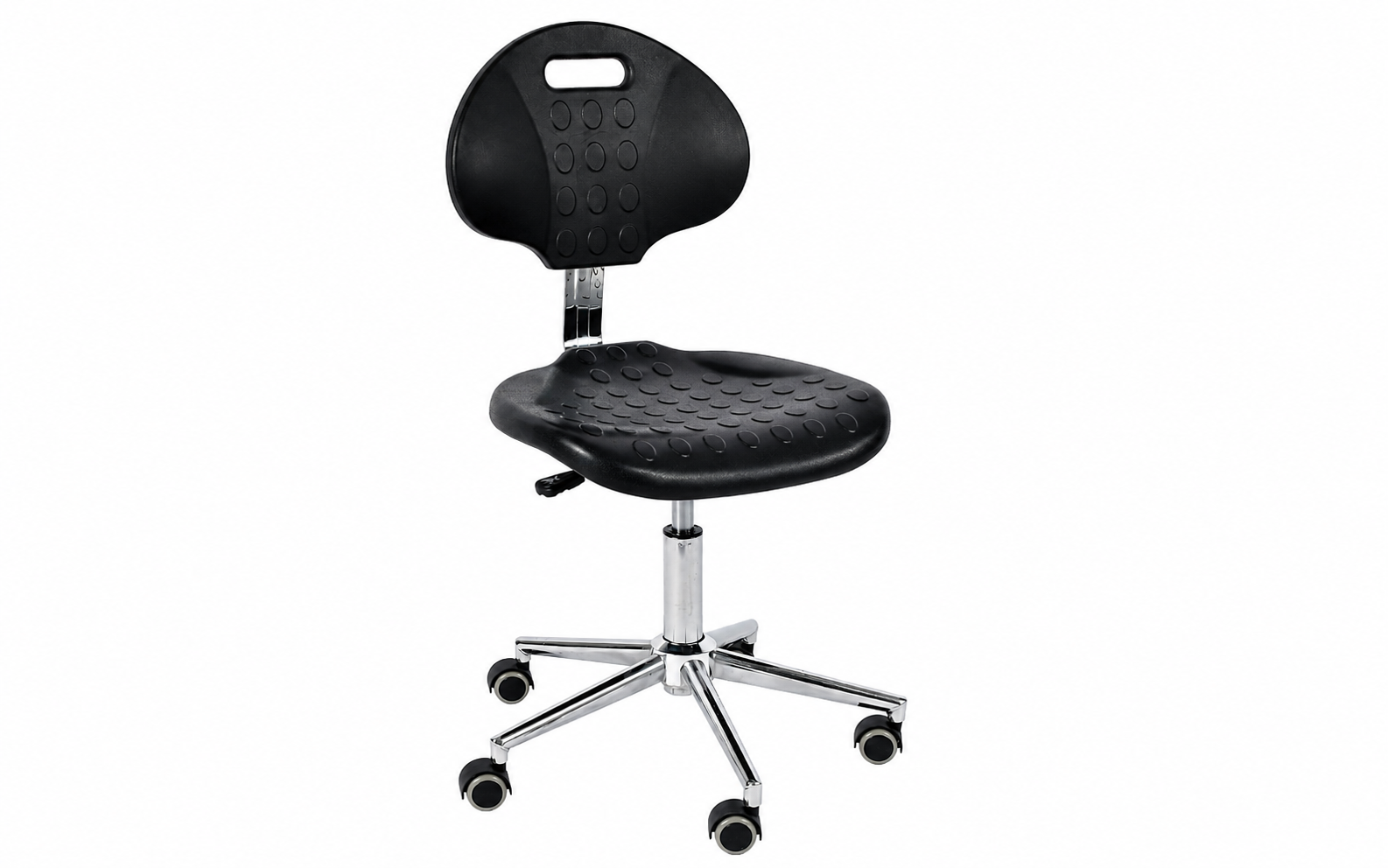
As laboratories, healthcare institutions, universities, and industrial research organizations continue to expand throughout Mexico, procurement departments are facing increasing pressure to improve purchasing efficiency while maintaining strict control over costs and quality standards. One of the most effective strategies for achieving these goals is centralized purchasing. Unlike decentralized procurement models where individual departments independently purchase laboratory furniture, centralized purchasing consolidates procurement activities under a unified management structure. This approach provides greater visibility into purchasing requirements, improves negotiation power, standardizes product specifications, and creates stronger supplier relationships. For laboratory chair procurement specifically, centralized purchasing can eliminate duplicate orders, reduce administrative burdens, and simplify decision-making across multiple facilities. Products such as the industrial polyurethane with chrome foot ring and casters adjustable laboratory chair often become ideal candidates for centralized procurement programs because they offer versatility, durability, ergonomic performance, and compatibility with a wide variety of laboratory environments. By standardizing around proven solutions, organizations can significantly reduce complexity while ensuring consistent user experiences. Centralized procurement teams are also better positioned to conduct comprehensive supplier evaluations, compare lifecycle costs, and negotiate favorable contract terms. Rather than focusing exclusively on acquisition prices, procurement managers can assess long-term value, maintenance requirements, replacement cycles, and operational performance. This broader perspective enables organizations to maximize return on investment while minimizing procurement risks. For Mexican distributors and suppliers targeting B2B buyers, supporting centralized purchasing initiatives presents a valuable opportunity to establish strategic partnerships and secure larger, longer-term contracts. As organizations increasingly seek procurement efficiency, centralized purchasing continues to emerge as a critical component of successful laboratory management strategies.
Another major advantage of centralized purchasing is its ability to strengthen supplier management and improve supply chain performance. In decentralized environments, organizations often work with multiple vendors across different departments, creating fragmented communication channels and inconsistent purchasing practices. This fragmentation can lead to pricing variations, inventory imbalances, delivery delays, and increased administrative costs. Centralized purchasing addresses these challenges by consolidating supplier relationships and creating a more structured procurement framework. The industrial polyurethane with chrome foot ring and casters adjustable laboratory chair frequently serves as an example of a standardized product that can be deployed across multiple laboratory locations without sacrificing functionality or performance. When procurement teams negotiate volume agreements for standardized products, they can often secure better pricing, priority production scheduling, and enhanced after-sales support. Furthermore, centralized purchasing allows organizations to establish measurable supplier performance criteria that include delivery reliability, product quality consistency, responsiveness, warranty support, and customer satisfaction. These metrics create accountability while helping organizations identify opportunities for continuous improvement. Mexican companies can also leverage centralized purchasing to strengthen inventory planning and demand forecasting. By consolidating purchasing data from multiple facilities, organizations gain more accurate insights into consumption patterns, replacement needs, and future growth requirements. This information supports more effective procurement planning and reduces the likelihood of overstocking or emergency purchases. Suppliers that actively collaborate with centralized procurement teams can further enhance value by offering forecasting assistance, inventory optimization recommendations, and technical consultation services. Such collaborative relationships benefit both buyers and suppliers while contributing to stronger long-term business partnerships within Mexico’s growing laboratory sector.
Technology integration and organizational alignment are equally important for maximizing the benefits of centralized purchasing. Modern procurement departments increasingly rely on digital procurement platforms, enterprise resource planning systems, supplier management tools, and analytics solutions to improve visibility and decision-making. These technologies enable procurement teams to monitor spending patterns, track supplier performance, manage contracts, and automate purchasing workflows. The industrial polyurethane with chrome foot ring and casters adjustable laboratory chair is often incorporated into centralized purchasing programs because its broad applicability simplifies standardization efforts and supports consistent procurement policies across diverse operational environments. Digital tools also allow organizations to generate detailed reports that help procurement leaders evaluate performance, identify cost-saving opportunities, and demonstrate measurable value to executive stakeholders. Beyond technology, successful centralized purchasing requires strong collaboration between procurement professionals, laboratory managers, facility planners, finance teams, and end users. Cross-functional communication ensures that purchasing decisions align with operational requirements while supporting broader organizational objectives. Mexican distributors that understand these dynamics can position themselves as trusted advisors rather than simple product suppliers. Offering procurement consulting, supplier management support, inventory planning services, and lifecycle cost analysis creates additional value that strengthens customer relationships. As laboratory infrastructure investment continues across Mexico, organizations that adopt centralized purchasing strategies will be better equipped to improve procurement efficiency, reduce operational costs, enhance supplier performance, and achieve greater consistency across their facilities. Through a combination of standardization, supplier collaboration, technology adoption, and strategic B2B partnership development, centralized purchasing can transform laboratory chair procurement into a more efficient, scalable, and value-driven process that supports long-term organizational success.
READ MORE
How Can Laboratories in Mexico Achieve Efficient Inventory Management for Laboratory Chairs?
Which Emerging Industries in Mexico Are Driving Increased Demand for Laboratory Chairs?
How Can Laboratory Chair Distributors in Mexico Expand Regional Coverage and Increase Sales?