How Can Distributors in Argentina Manage Laboratory Chair Project Follow-Ups to Improve B2B Sales Efficiency?
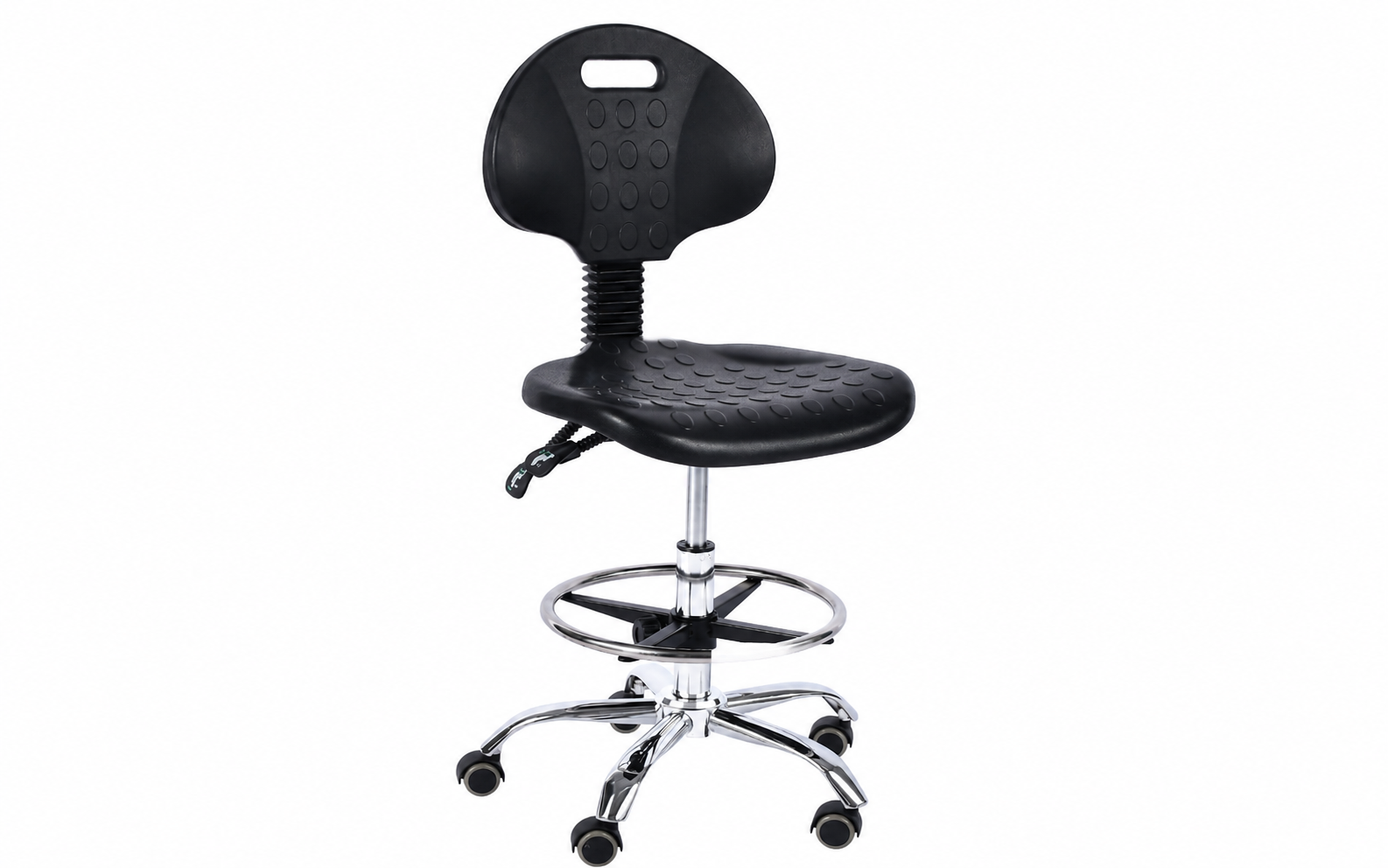
Distributors in Argentina can improve laboratory chair project follow-ups by replacing informal reminders with a stage-based process that tells every salesperson what must happen next, who is responsible, and when the action is due. Many B2B opportunities lose momentum because quotations are sent without a confirmed decision path, technical questions remain unanswered, or the distributor follows up with the wrong person. A stronger process starts by classifying each project into stages such as initial qualification, workstation review, sample preparation, technical approval, commercial negotiation, purchase-order planning, delivery coordination, and post-installation review. Each stage should have an exit criterion. For example, a project should not move from qualification to proposal until the distributor has confirmed the customer’s application, quantity, bench height, floor type, delivery location, buying timeline, and stakeholder list. When the opportunity involves an industrial polyurethane with chrome foot ring and casters adjustable laboratory chair, the record should also include the approved seat configuration, required height range, foot-ring position, caster suitability, and any concerns raised by users or facilities teams. Argentine distributors should identify the economic buyer, technical evaluator, daily user, procurement contact, and potential blocker instead of relying on one contact to represent the entire organization. Every follow-up should have a specific purpose, such as validating a measurement, scheduling a sample review, confirming an internal approval date, or resolving a commercial condition. This makes communication more useful and prevents repetitive messages that ask only whether the customer has made a decision. By tying follow-ups to project stages, decision roles, and measurable next steps, distributors can reduce stalled deals and use sales time more efficiently.
The second requirement is to coordinate follow-up activity across sales, technical support, logistics, and management so the customer receives consistent information. A salesperson may know the commercial history, while technical staff understand the configuration and logistics teams know the delivery constraints; if these details remain in separate systems, follow-up becomes slow and inconsistent. Distributors should use one CRM record that stores meeting notes, drawings, sample results, quotation versions, open technical questions, expected decision dates, and the customer’s internal approval sequence. For an industrial polyurethane with chrome foot ring and casters adjustable laboratory chair, the CRM should show whether the sample was tested, which workstation approved it, whether the customer requested a different caster or lift, and whether the final quotation reflects the accepted configuration. Automated reminders can help, but they should support judgment rather than replace it. A high-value pharmaceutical or university project may need a scheduled technical call, while a smaller replacement order may require only a concise email and a firm date for the next check-in. Argentine distributors can create follow-up cadences by project type: new laboratory construction, renovation, replacement, dealer resale, contractor package, or framework agreement. Each cadence should specify the recommended interval, communication channel, content, and escalation rule. If a promised customer action is missed twice, the salesperson should not simply continue sending the same message; the opportunity should be reviewed to determine whether the project is delayed, underfunded, technically blocked, or no longer active. Weekly pipeline meetings should focus on overdue actions, decision risk, stakeholder gaps, and evidence of progress rather than optimistic closing dates. This creates a more accurate forecast and helps management assign technical support or senior involvement where it can improve conversion.
The final step is to extend project follow-up beyond the purchase order and use delivery, installation, and after-sales communication to create repeat business. Many distributors stop active follow-up once the order is confirmed, but corporate buyers judge the relationship through the entire project. Before delivery, the distributor should confirm site readiness, room allocation, packaging labels, receiving contacts, installation responsibilities, and acceptance criteria. If the order includes an industrial polyurethane with chrome foot ring and casters adjustable laboratory chair, the delivery file should preserve the final seat, lift, chrome ring, base, caster, quantity, and spare-parts references so the customer receives exactly what was approved. After installation, the distributor should schedule a short acceptance review to confirm adjustment, movement, workstation fit, user understanding, and any service needs. These records should feed back into the CRM, where future expansion, replacement dates, and cross-site opportunities can be tracked. Argentine distributors can also create post-project reviews that compare expected and actual lead time, quotation accuracy, issue resolution, customer satisfaction, and the probability of repeat purchases. Original Google-friendly content about laboratory chair project follow-up, approval management, delivery coordination, CRM discipline, and B2B sales efficiency can support the same process by attracting prospects who value organized suppliers. The most efficient follow-up system is not the one with the highest number of calls; it is the one that moves each project toward a defined decision, gives every stakeholder the information needed, and preserves enough account knowledge to support future orders. By combining stage control, stakeholder mapping, coordinated records, risk-based follow-up, and post-delivery account development, distributors in Argentina can shorten sales cycles, improve forecast quality, and convert more laboratory chair projects into profitable long-term B2B relationships.
READ MORE