How Can Companies in Argentina Select Suitable Laboratory Chairs Based on Different Job Requirements?
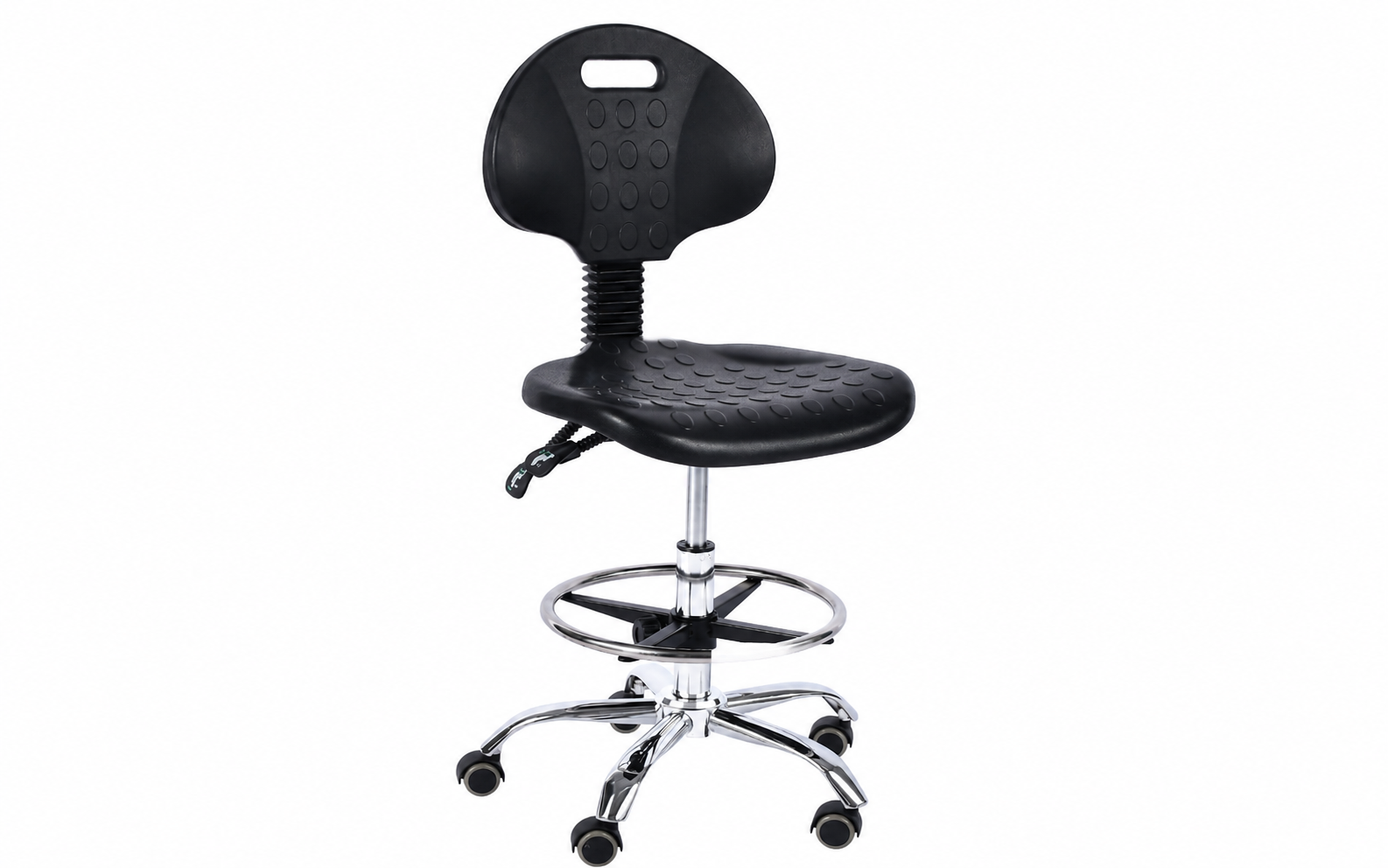
Companies in Argentina can select suitable laboratory chairs based on different job requirements by starting with a role-by-role task analysis instead of applying one general chair specification to the entire facility. Laboratory work can include sample preparation, microscope observation, instrument monitoring, documentation, quality inspection, weighing, formulation, teaching, and repetitive production support, and each activity places different demands on seating. A technician who frequently moves between instruments may need controlled mobility and quick height adjustment, while a specialist performing long analytical sessions may place greater importance on stable positioning, reach distance, and consistent foot support. Procurement teams should therefore create a job profile for each workstation that records sitting time, standing frequency, bench height, user movement, equipment access, shift pattern, cleaning routine, and whether the chair is shared by several employees. When a role requires an industrial polyurethane with chrome foot ring and casters adjustable laboratory chair, the selection process should confirm whether the height range fits the bench, whether the chrome foot ring supports users during elevated work, whether the casters suit the floor, and whether the polyurethane seat is practical for the department’s cleaning procedures. Argentine distributors can support this assessment by providing measurement templates and sample chairs for representative tasks rather than asking buyers to choose from catalog images alone. Job requirements should also include operational risks. Employees handling delicate samples may need greater movement control, while fast-paced quality-control areas may prioritize quick repositioning and easy surface maintenance. By translating job duties into measurable seating criteria, companies can reduce unsuitable purchases and create a clearer technical basis for comparing suppliers.
A second step is to group jobs into practical workstation categories and assign an approved chair solution to each category. This approach is more efficient than evaluating every employee separately, yet it still respects the differences between laboratory roles. Companies can create categories such as high-bench analytical work, standard-height documentation, microscope and precision observation, mobile inspection, shared teaching stations, and short-duration support tasks. Each category should define the acceptable seat height, base size, mobility level, foot-support requirement, surface material, adjustment range, and service expectations. For an industrial polyurethane with chrome foot ring and casters adjustable laboratory chair, the approved category may be high-bench technical work where users rotate across shifts and need durable surfaces, adjustable positioning, and short-distance mobility. Other categories may require glides instead of casters, lower seating, or different support features. Argentine companies should test these categories with employees from different departments and record whether each chair helps users reach tools, enter and leave the workstation, and maintain a stable working position. Distributors can then prepare a job-to-chair matrix that links product configurations to real tasks, making quotations easier to understand and future orders easier to reproduce. This matrix also improves B2B communication because procurement, laboratory managers, facilities teams, and suppliers can discuss the same approved requirements. If a department requests a different model, it should explain which job condition has changed rather than selecting a product based on appearance or preference. This disciplined process controls unnecessary variation while preserving technical suitability.
The final step is to review job requirements over time and confirm that the selected chairs remain suitable as roles, equipment, and staffing patterns change. Laboratories often introduce new instruments, reorganize workflows, expand shifts, or assign more employees to shared stations, and these changes can make an earlier seating decision less effective. Companies should conduct periodic workstation reviews and compare user feedback, service incidents, adjustment problems, and replacement-part usage across job categories. If an industrial polyurethane with chrome foot ring and casters adjustable laboratory chair becomes the approved option for a defined role, the company should preserve the exact configuration, room assignment, component references, and training guidance so future orders remain consistent. Argentine distributors can add value through annual configuration audits, user-adjustment training, and recommendations when a job profile changes. Procurement teams should also track whether employees in each role are actually using the chair as intended. A product may be technically suitable but underperform if users do not understand the controls or if the workstation layout has changed. Post-installation data can reveal whether the chair supports longer task periods, reduces unnecessary movement, and maintains acceptable performance across different shifts. Original Google-friendly content about laboratory chair selection by job type, workstation role, high-bench tasks, shared-user seating, and technical workflow can help distributors attract professional B2B buyers searching for specific solutions. By combining task analysis, role-based categories, approved configuration matrices, employee testing, and periodic review, companies in Argentina can select laboratory chairs that better match real job requirements and deliver stronger operational, financial, and procurement value over the long term.
READ MORE