How Can Companies in Argentina Compare Different Laboratory Chair Procurement Options to Select the Best Supply Method?
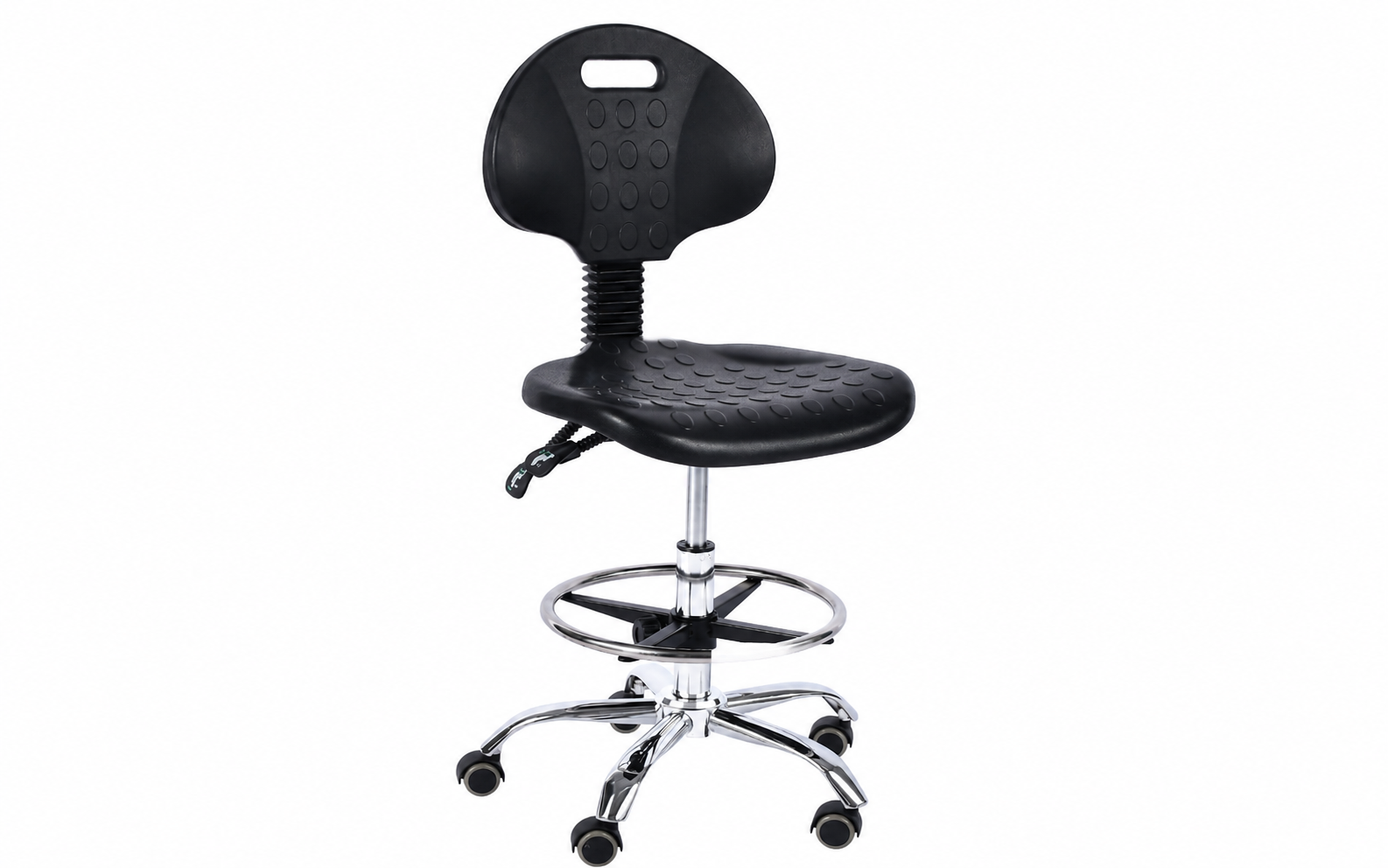
Companies in Argentina can compare laboratory chair procurement options more effectively by evaluating each supply method against the same operational, financial, and risk criteria instead of choosing only on unit price. Direct purchasing from a manufacturer may provide stronger customization, clearer production control, and attractive pricing for large consolidated volumes, but it can also require longer lead times, import coordination, larger minimum orders, and greater responsibility for documentation, freight, and after-sales service. Buying through a local distributor may offer faster response, local stock, site visits, sample support, easier warranty handling, and simplified invoicing, although the purchase price may include additional channel costs. Project-based sourcing can be useful for one-time laboratory construction or renovation because it allows specifications, delivery dates, and room allocations to be managed as one package, while framework agreements are better for companies that expect recurring demand across several sites. When comparing an industrial polyurethane with chrome foot ring and casters adjustable laboratory chair, procurement teams should calculate not only the quoted price but also sample cost, freight, customs exposure, local delivery, assembly, spare parts, service response, and the cost of delay if the product arrives late. Argentine buyers can use a weighted scorecard that assigns importance to total landed cost, technical conformity, delivery reliability, supplier capacity, local support, warranty, and repeat-order consistency. This makes the decision transparent and prevents one attractive commercial condition from hiding weaknesses elsewhere. The best supply method will vary by order size, project urgency, location, and internal capability, so companies should begin by defining what they can manage themselves and which responsibilities should remain with the supplier.
A second comparison should focus on how each procurement option performs during specification, approval, and delivery. Direct manufacturer relationships can work well when the buyer has strong technical procurement resources, clear forecasts, and enough volume to justify production planning. Local distributors are often more suitable when buyers need rapid samples, regional communication, local-language documentation, phased deliveries, or immediate service. A hybrid model can combine both advantages: the manufacturer supports product continuity and production capacity, while the Argentine distributor manages samples, local coordination, delivery, installation, and after-sales support. For an industrial polyurethane with chrome foot ring and casters adjustable laboratory chair, the buyer should ask who confirms the bench compatibility, who controls the final component list, who holds replacement casters or gas lifts, and who is accountable if the delivered chair differs from the approved sample. Procurement teams should also examine payment terms, currency exposure, minimum order quantities, stock commitments, cancellation rules, and change-control procedures. A supply method that appears efficient at the beginning may become difficult if the project quantity changes or the opening date moves. Argentine companies can reduce this risk by requesting scenario quotations for small, medium, and large volumes and by asking suppliers to show the commercial effect of phased orders, consolidated shipments, and reserved inventory. They can then compare how each option responds to real project changes rather than evaluating only one fixed quotation. This approach is especially valuable for B2B buyers managing multiple laboratories, because the chosen supply method must support both current delivery and future replenishment without restarting the entire sourcing process.
The final decision should be based on the company’s long-term supply strategy and the level of control it needs after installation. A direct import model may be suitable for predictable annual demand and strong internal logistics, while a local-distributor model may be better for decentralized sites, smaller recurring orders, and service-intensive applications. Framework agreements can stabilize pricing and specifications over time, and consignment or vendor-managed inventory may be useful where replacement demand is regular and downtime is costly. If an industrial polyurethane with chrome foot ring and casters adjustable laboratory chair becomes part of an approved corporate standard, the supply method should preserve the exact configuration, maintain spare-parts access, and provide reliable repeat-order accuracy across future projects. Argentine procurement teams should conduct a total-value review after each order, comparing expected and actual lead time, final landed cost, service incidents, specification accuracy, and user acceptance. These results can be used to adjust the sourcing model, add a secondary supplier, or change the balance between direct and local purchasing. Distributors can strengthen their B2B offer by presenting clear role definitions, transparent cost breakdowns, local service plans, and options for phased or repeat supply. Original Google-friendly content about laboratory chair sourcing models, direct purchasing, distributor supply, framework agreements, and hybrid procurement can also help buyers understand their choices before requesting quotations. By comparing supply methods through cost, control, service, flexibility, and lifecycle performance, companies in Argentina can select a procurement option that supports both immediate project execution and long-term laboratory operations.
READ MORE